Automation or AI: which one does your dealership actually need?

Automation handles predictable work: the same steps, the same rules, every time. AI helps where the work needs interpretation, such as reading documents or handling uncertainty. Most dealership admin is the first kind. Here is how to tell them apart, and when the two work together.
Automation is full of buzzwords, and it’s easy to buy the wrong thing for the job. Here’s the simplest way to think about it:
RPA = rules and repeatability
RPA is best when the workflow is stable and the steps are known:
- “If this, then do that”
- Structured inputs
- Same systems and screens
- Clear exceptions
Example: “When a statement arrives, match it to invoices, flag mismatches, and send an exception report.”
AI = interpretation and probability
AI becomes useful when the work involves judgement, ambiguity, or unstructured information:
- Understanding documents that vary
- Extracting meaning from language
- Classifying categories with uncertainty
- Summarising or drafting text
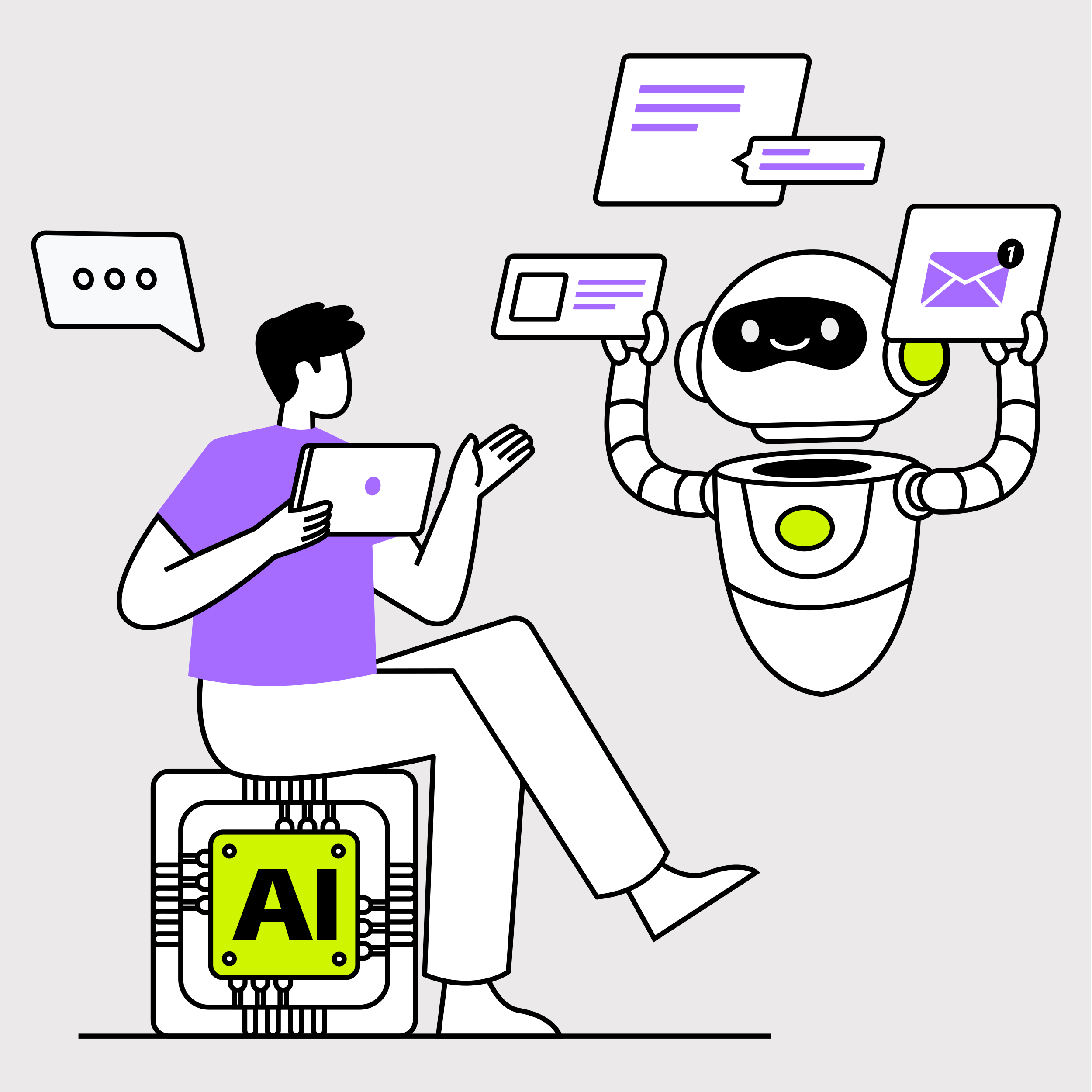
Example: “Read incoming emails, detect intent, extract key details even if the format changes.”
The best results often come from combining them
A common pattern:
- AI interprets messy input (email text, varied PDFs)
- RPA executes the workflow reliably (creates records, updates systems, sends notifications)
This combination avoids a common failure mode: using AI to run the whole workflow end-to-end when you actually need predictable control, auditability, and logging.
A practical decision guide
Choose RPA first when:
- You want reliability and audit trails
- The process is standardised
- The “work” is moving data between systems
Choose AI first when:
- Inputs are unstructured
- Humans spend time interpreting information
- Rules alone won’t handle the variety
Use RPA + AI when:
- You need both interpretation and execution
- You want to reduce manual work without losing control

